

Cool Summer Mom
What I learned from deleting Instagram, plus news about SNAP candy bans, a natural-dye plot twist, froyo lines worth standing in, and more

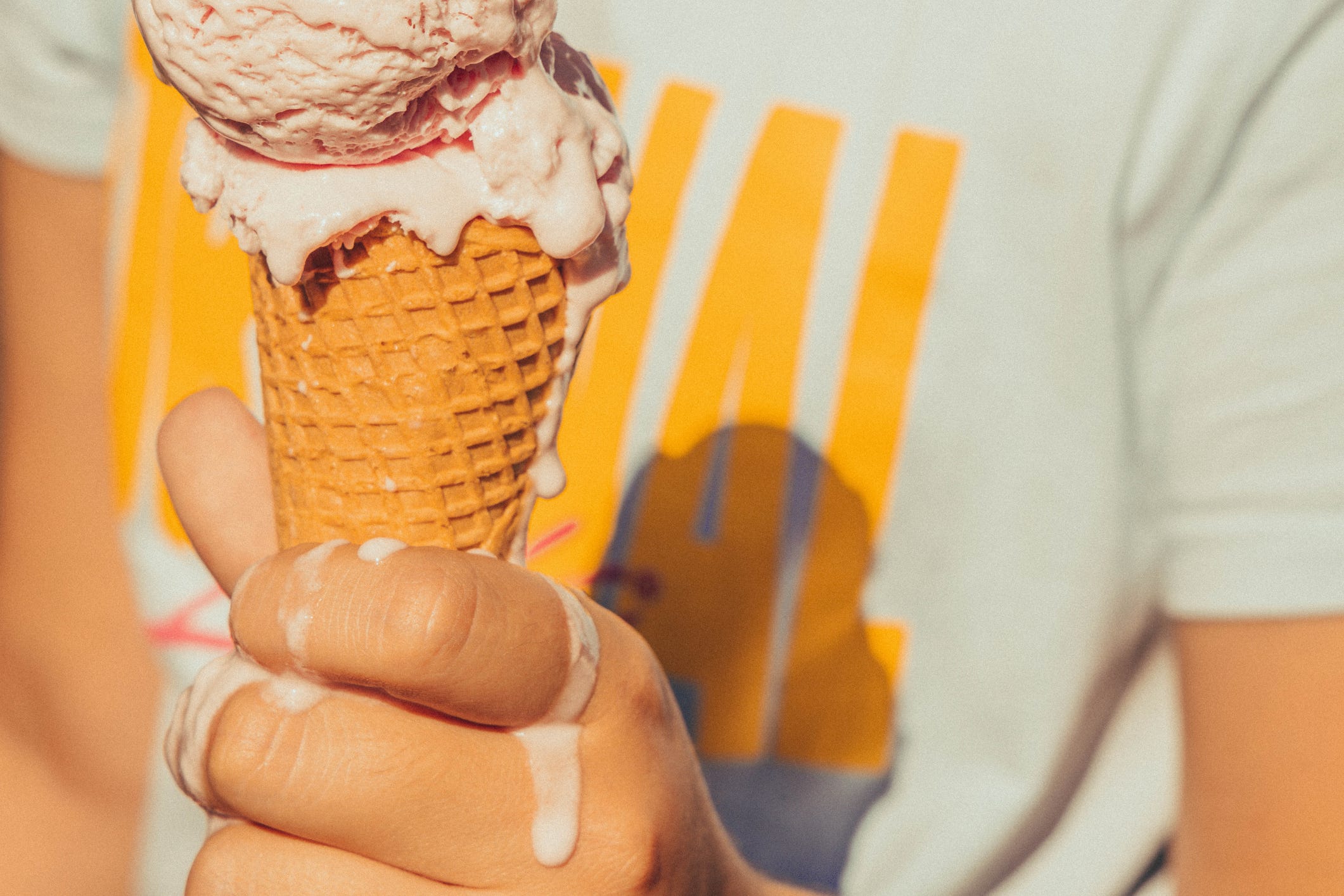
Hi, readers! The Dunn boys are officially out of school for summer, which means we’ve entered the season they fantasize about, and I quietly fret about, all year.
I would love to be a cool, fun summer mom: the kind who lets the kids eat popsicles for breakfast, says yes to the 8 p.m. trip to the playground for one last game of dodgeball, and doesn’t flinch when someone tracks pool water across the living room rug. Sadly, however, I am not her. I’m an order muppet, a lover of routine, and in past summers I have been unable to stop myself from compulsively tracking everyone’s sunscreen status and asking at least once a day if anyone has started their summer math packet yet?? Every new camp comes with a new drop off routine and a new packing list — water shoes one week, a labeled backpack and a peanut-free, tree-nut-free lunch the next — and I can feel my whole nervous system reorganizing itself around the Google Doc tracking it all.
But this year, the vibes in New York are simply too good to let me spiral. The Knicks are kings. The weather has been absurdly perfect. And I’m leaning into the parts of summer that I actually love: the more leisurely wake-up times, the absence of homework to litigate at the dinner table, the little ritual we have, on hot nights, of making chocolate mug cakes and eating them on our stoop. I’m doing my best to be groovy and Type-B and it’s…sort of working?
I can credit part of that success to a New Year’s resolution that, to my utter surprise, is actually sticking. The resolution was to delete all social media from my phone and to meditate every day. Allow me to be insufferable for a second: this has been really, absurdly positive for my focus, creativity, and overall mood. Historically, I’ve hidden behind every excuse for why I can’t get off the socials: I need them for work, it’s how I keep up with news, I honestly really don’t use them very much so it’s not a problem. But, man, now that they’re actually gone? It’s like ending a toxic friendship, or curing a chronic case of tinnitus, or that feeling right after you wake up from a perfect night of sleep, but all the time.
The meditation piece is something I’ve been doing sporadically for years, but despite the fact that it noticeably improves my patience and focus, I hadn’t ever crystallized it into habit. Back in 2019, I took a Vedic meditation course taught by my friend and former colleague Katie Greico (she co-founded Craft restaurant with Tom Colicchio). If you’re curious about meditation but don’t know where to begin (or think you’re “not good at meditating” or “don’t do it right”), I highly recommend doing one of her courses.
Okay. That’s enough about my interior life. What’s up right now in the world of restaurants, food policy, and viral food trends, you might ask?
The James Beard Awards happened. The 2026 Restaurant and Chef Awards were handed out Monday night in Chicago. Michael Tusk of Quince in San Francisco took Outstanding Chef; Kalaya, a Thai restaurant in Philadelphia, won Outstanding Restaurant; and Best New Restaurant went to Lei, a 28-seat wine bar in New York’s Chinatown serving food rooted in Chinese home cooking. If you live in or are traveling to these cities, book accordingly! Full award results available here.
The movement to ban soda and candy from SNAP is snowballing. What started as a handful of red-state waivers is shaping up to become one of the biggest shifts in food policy in years: 22 states will have USDA waivers in effect by the end of the year to bar SNAP recipients from buying soda, candy, and energy drinks with their benefits. The rules are a patchwork — Florida bans candy and energy drinks, Texas targets sweetened drinks above five grams of added sugar, others just hit soda — but a new report from Numerator estimates that a third of SNAP recipients now face some form of restriction. However you feel about whether taxpayers should foot the bill for someone’s case of Mountain Dew, the precedent — that benefits can be narrowed by category, by waiver, without Congress — is a significant development.
J.P. Morgan is projecting that roughly 30 million Americans will be on a GLP-1 drug by 2030. That’s up from around 10 million today — and the bank estimates the knock-on effect could shave $30 to $55 billion a year off food and beverage sales by the end of the decade. The early purchasing data shows that yogurt, fresh fruit, and protein bars are up; savory snacks, sweets, and baked goods are down, with the steepest pullback among the higher-income shoppers retailers depend on. Meanwhile, an entire new product category — high-protein, high-fiber, small-portion food for people who aren’t that hungry anymore — is taking shape.
Maybe we should just…stop dyeing foods other colors? As food companies continue to phase out synthetic dyes in an effort to MAHA-proof their products, they’re reaching for alternatives like beet juice, turmeric, butterfly pea flower, and algae-based blues. But the Wall Street Journal recently reported that studies conducted by researchers in France showed that certain natural dyes were associated with a more than 40 percent increased risk of Type 2 diabetes and certain cancers. The example that stuck with me was beta-carotene: it’s the antioxidant that makes carrots orange, but when used as a food colorant, it has been linked to an increased risk of breast cancer and Type 2 diabetes. Just because an ingredient is “natural,” that doesn’t mean it’s safe at any dose.
And, finally, a palate cleanser. If you’ve walked around NYC lately and wondered about the unusual (even by New York standards) number of people standing still on the sidewalk, the Times has the reason why: frozen yogurt is back, and the lines are deranged. Amy X. Wang’s theory is that we’re drawn to these line situations because the third places where we used to find each other have disappeared. Sad.
That’s today’s reading list. Now go reapply your sunscreen!